GLP-1 medications have gained significant attention as an advanced approach for weight management, especially among people looking for effective solutions beyond traditional diet and exercise programs. While these medications were initially developed to help manage type 2 diabetes, many non-diabetic individuals are now exploring GLP-1 treatments specifically for weight loss.
GLP-1 medications may support weight loss in people without diabetes by helping control appetite, improve fullness, and support healthier eating habits.
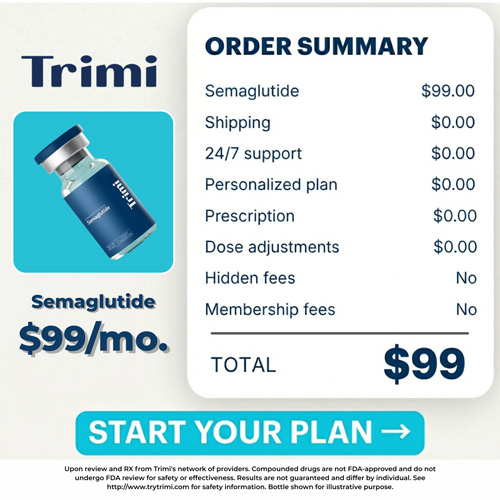
The growing interest in GLP-1 weight loss for non diabetics comes from the ability of these medications to influence appetite control, hunger signals, digestion, and metabolic processes.
For individuals struggling with obesity or excess weight, GLP-1 therapies may provide additional support when combined with healthy lifestyle changes.
Medications such as semaglutide and tirzepatide have been studied for chronic weight management in adults without diabetes who meet certain medical criteria. The FDA has approved weight-management versions of these medications, including Wegovy (semaglutide) and Zepbound (tirzepatide), for eligible adults with obesity or overweight with weight-related health concerns.
Understanding how GLP-1 medications work, who may benefit, possible results, and important safety considerations can help individuals make informed decisions with their healthcare provider.
What Are GLP-1 Medications?
GLP-1 stands for glucagon-like peptide-1, a hormone naturally produced in the body after eating. This hormone plays an important role in regulating appetite, digestion, and blood sugar balance.
GLP-1 medications are designed to mimic the effects of this natural hormone. They belong to a class of medications called GLP-1 receptor agonists, which interact with specific receptors throughout the body to support metabolic regulation.
Originally, GLP-1 medications were mainly prescribed for people with type 2 diabetes because of their ability to improve blood sugar control.
However, researchers discovered that these medications also create significant effects on appetite and weight regulation, leading to their approval for chronic weight management in eligible individuals without diabetes.
Common GLP-1 medications used in weight management include:
- Semaglutide (Wegovy)
- Tirzepatide (Zepbound)
- Liraglutide (Saxenda)
Each medication works slightly differently, but all aim to support healthier appetite regulation and weight management.
Can Non-Diabetics Take GLP-1 Medications for Weight Loss?
Yes, some people without diabetes may use GLP-1 medications for weight loss when they meet specific medical guidelines and receive a prescription from a qualified healthcare provider.
GLP-1 medications are not limited only to people with diabetes. Certain formulations are approved for adults with:
- Obesity (BMI of 30 or higher)
- Overweight (BMI of 27 or higher) with at least one weight-related health condition
These conditions may include:
- High blood pressure
- High cholesterol
- Sleep apnea
- Cardiovascular risk factors
The purpose of these medications is not simply cosmetic weight loss. They are intended as part of a comprehensive medical weight-management approach that includes nutrition, physical activity, and ongoing healthcare support.
How GLP-1 Weight Loss Works in Non-Diabetic Individuals
GLP-1 medications support weight loss through several connected pathways.

Appetite Regulation
One of the primary ways GLP-1 medications support weight loss is by influencing appetite centers in the brain.
Many people experience:
- Reduced hunger
- Fewer cravings
- Better control over portion sizes
- Reduced desire for high-calorie foods
By helping regulate hunger signals, GLP-1 medications may make it easier for individuals to maintain a calorie-controlled eating pattern.
Slower Stomach Emptying
GLP-1 medications can slow the rate at which food leaves the stomach.
This process may help:
- Increase feelings of fullness
- Reduce frequent snacking
- Support smaller meal portions
- Improve eating consistency
Feeling satisfied for longer periods can make it easier to maintain healthy nutrition habits.
Improved Metabolic Function
Although many non-diabetic users have normal blood sugar levels, GLP-1 medications can still influence metabolic pathways.
They may support:
- Better insulin sensitivity
- Balanced glucose response after meals
- Improved energy regulation
These effects can contribute to healthier weight-management outcomes.
Benefits of GLP-1 Weight Loss for Non Diabetics
1. Supports Significant Weight Reduction
Clinical research has shown that certain GLP-1 medications can help eligible individuals achieve meaningful weight loss when combined with lifestyle changes.
For example, FDA-reviewed studies of tirzepatide for chronic weight management included adults without diabetes and demonstrated significant reductions in body weight compared with placebo when combined with diet and increased physical activity.
Weight loss results vary depending on:
- Starting weight
- Medication type
- Dose
- Nutrition habits
- Activity level
- Individual response
2. Helps Reduce Food Cravings
Many people report that one of the most noticeable effects of GLP-1 medications is reduced cravings.
By affecting appetite-related hormones and brain pathways, these medications may help individuals feel more in control around food. This can support healthier choices and reduce emotional or impulsive eating patterns.
3. Makes Healthy Eating Easier
Weight loss often requires long-term changes in eating behavior. However, many individuals struggle because of constant hunger or difficulty controlling portions.
GLP-1 medications may help by:
- Making smaller meals feel satisfying
- Reducing overeating
- Supporting balanced nutrition habits
This can make lifestyle changes more sustainable.
4. Supports Overall Health Improvements
Weight reduction may contribute to improvements in several areas of health, including:
- Blood pressure management
- Cholesterol levels
- Mobility
- Energy levels
- Cardiovascular health markers
Maintaining a healthy weight can positively affect overall wellness.
GLP-1 Weight Loss Timeline for Non-Diabetics
Everyone responds differently to GLP-1 medications, but many individuals experience changes gradually.
First Few Weeks
During the beginning phase, healthcare providers often start with a lower dose to help the body adjust.
Possible early changes include:
- Reduced appetite
- Feeling full faster
- Changes in eating habits
Some people notice changes in appetite before seeing major weight changes.
One to Three Months
As the dose is gradually adjusted, individuals may experience:
- More consistent appetite control
- Noticeable weight reduction
- Improved eating patterns
Lifestyle habits play an important role during this stage.
Three Months and Beyond
Long-term results often depend on:
- Medication adherence
- Nutrition quality
- Exercise routine
- Medical monitoring
GLP-1 medications are designed as part of a long-term weight-management strategy rather than a quick solution.
GLP-1 Medications Commonly Used for Weight Loss
Semaglutide
Semaglutide is a GLP-1 receptor agonist that helps regulate appetite and food intake.
It may support weight loss by:
- Increasing fullness
- Reducing hunger signals
- Improving appetite control
Wegovy is an FDA-approved semaglutide medication for chronic weight management in eligible individuals.
Tirzepatide
Tirzepatide works differently because it activates both GLP-1 and GIP hormone pathways.
Potential benefits include:
- Strong appetite regulation
- Improved metabolic signaling
- Support for significant weight reduction
Zepbound is approved for chronic weight management in adults with obesity or overweight with certain weight-related conditions.
Are GLP-1 Medications Safe for Non-Diabetics?
When prescribed appropriately and monitored by a healthcare professional, GLP-1 medications can be a safe option for eligible individuals.
However, they are prescription treatments and may not be suitable for everyone.
A healthcare provider may review:
- Medical history
- Current medications
- Weight-loss goals
- Existing health conditions
Medical supervision helps ensure the treatment plan is appropriate.
Possible Side Effects of GLP-1 Weight Loss Medications
Like all medications, GLP-1 treatments may cause side effects.
Common side effects include:
- Nausea
- Vomiting
- Diarrhea
- Constipation
- Stomach discomfort
- Reduced appetite
These effects are often more noticeable when starting treatment or increasing dosage. Healthcare providers usually increase doses gradually to improve tolerance.
Who Should Avoid GLP-1 Medications?
GLP-1 medications may not be appropriate for certain individuals. People should discuss their medical history with a provider before starting treatment, especially if they have:
- A history of certain thyroid cancers
- Pancreatitis concerns
- Severe digestive conditions
- Certain medication interactions
A personalized medical evaluation is essential.
GLP-1 Weight Loss Without Diabetes vs Diabetes Treatment
Although GLP-1 medications were originally associated with diabetes care, weight-management versions are designed specifically for obesity treatment.
The difference often involves:
- Approved medication formulation
- Dosage
- Treatment goals
For people without diabetes, the focus is usually:
- Appetite management
- Weight reduction
- Improving obesity-related health risks
For people with diabetes, the focus may include:
- Blood sugar control
- Insulin response
- Diabetes management
How to Maximize GLP-1 Weight Loss Results
GLP-1 medications work best when combined with healthy lifestyle habits.
Prioritize Protein Intake
Protein can help:
- Maintain muscle mass
- Improve fullness
- Support healthy body composition
Good protein sources include:
- Eggs
- Fish
- Lean meats
- Greek yogurt
- Beans
- Protein-rich foods
Include Strength Training
Resistance exercises can help preserve muscle while losing weight.
Examples include:
- Weight training
- Bodyweight exercises
- Resistance bands
Stay Hydrated
Adequate hydration supports:
- Digestion
- Energy levels
- Overall wellness
Focus on Nutrient-Dense Foods
A balanced diet should include:
- Vegetables
- Fruits
- Lean proteins
- Healthy fats
- Whole grains
GLP-1 medications should support healthy habits rather than replace them.
Conclusion
GLP-1 weight loss for non diabetics has become an important option for individuals seeking medically supported weight management.
These medications work by influencing appetite, fullness, digestion, and metabolic pathways to help eligible individuals achieve healthier weight outcomes.
While GLP-1 medications can provide valuable support, they are most effective when combined with balanced nutrition, regular physical activity, and ongoing healthcare guidance.
For individuals considering GLP-1 treatment, speaking with a qualified healthcare provider is the best first step to determine whether this approach matches their health goals and needs.
References
- GLP-1 Receptor Agonist Overview
https://en.wikipedia.org/wiki/GLP-1_receptor_agonist
- Weight Loss Medications and Obesity Treatment
https://www.mayoclinic.org/healthy-lifestyle/weight-loss/in-depth/weight-loss/art-20047752
- Research Studies on GLP-1 Receptor Agonists and Weight Management
https://pubmed.ncbi.nlm.nih.gov/?term=GLP-1+receptor+agonist+weight+loss+non+diabetic
.