GLP-1 medications have become increasingly popular for supporting weight management and improving metabolic health. Medications such as semaglutide and tirzepatide have gained attention because of their ability to influence appetite regulation, blood sugar control, and weight-related health outcomes. However, one of the most common questions people ask before starting treatment is: Does Cigna cover GLP-1 medications?
Cigna may cover GLP-1 medications based on your plan, medical needs, and approval requirements. Coverage varies for diabetes and weight loss treatments.
The answer depends on several factors, including the specific Cigna insurance plan, the reason the medication is prescribed, medical eligibility requirements, and whether prior authorization is required.
Some Cigna plans may provide coverage for certain GLP-1 medications when they are prescribed for approved medical conditions, while other plans may have limited coverage or exclude weight-loss medications entirely.
Understanding how Cigna coverage works can help patients make informed decisions about their healthcare options. This guide explains Cigna GLP-1 coverage requirements, approval processes, potential costs, alternatives if coverage is denied, and important factors to consider before beginning treatment.
What Are GLP-1 Medications?
GLP-1 medications are prescription treatments that mimic a naturally occurring hormone called glucagon-like peptide-1. This hormone plays an important role in regulating appetite, digestion, and blood sugar levels.
These medications interact with specific pathways in the body to help slow digestion, increase feelings of fullness, and support balanced glucose levels.
Because of these effects, GLP-1 medications may be prescribed for conditions such as type 2 diabetes and, in certain cases, chronic weight management.
Common GLP-1 medications include:
- Semaglutide-based medications
- Tirzepatide-based medications
- Other injectable therapies that target GLP-1 pathways
Some medications in this category are primarily used for diabetes management, while others are specifically indicated for weight management. Insurance coverage often depends on the approved medical purpose of the medication.
Does Cigna Cover GLP-1 Medications?
Cigna may cover certain GLP-1 medications, but coverage is not guaranteed for every member. Insurance benefits vary significantly depending on the individual health plan, employer coverage, and medical requirements.
In many cases, Cigna coverage is more likely when a GLP-1 medication is prescribed for managing type 2 diabetes or another qualifying health condition.
Coverage for weight loss purposes may depend on whether the specific medication is included in the plan’s formulary and whether the patient meets eligibility criteria.
Before receiving coverage, many patients may need to complete steps such as:
- Confirming medical necessity
- Meeting eligibility requirements
- Obtaining prior authorization
- Providing medical records or documentation
- Trying other treatments first, depending on the plan
Patients should review their specific Cigna benefits or speak with their healthcare provider to understand their individual coverage options.
Does Cigna Cover GLP-1 for Weight Loss?
Coverage for GLP-1 medications specifically for weight loss varies widely among Cigna plans.
Some insurance plans may cover certain weight-management medications if a patient meets specific criteria, such as having a qualifying body mass index (BMI) or weight-related health conditions. Other plans may exclude weight-loss medications and require patients to pay out of pocket.
Factors that may influence approval include:
- The patient’s overall health history
- Existing medical conditions
- Provider documentation
- Medication type
- Insurance plan benefits
For example, a person using a GLP-1 medication for diabetes management may have a different coverage pathway compared with someone seeking treatment solely for weight reduction.
Which GLP-1 Medications May Be Covered by Cigna?
Coverage depends on the individual insurance policy, but commonly discussed GLP-1 medications include:
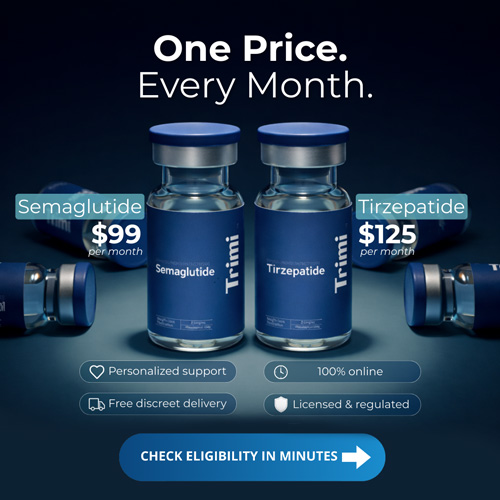
Semaglutide-Based Medications
Semaglutide is one of the most recognized medications in the GLP-1 category. It may be prescribed for blood sugar management or weight-related treatment depending on the specific product and medical situation. Insurance coverage may vary depending on whether the prescription is being used for diabetes treatment or weight management.
Tirzepatide-Based Medications
Tirzepatide works through GLP-1 and additional hormone pathways involved in metabolism. It may be prescribed for certain medical conditions, but coverage depends on the insurance plan’s requirements.
Other GLP-1 Therapies
Additional GLP-1 medications may also be available depending on medical needs, prescribing guidelines, and insurance formularies. Patients should confirm coverage directly with Cigna because medication availability and benefits can change between plans.
How to Check If Cigna Covers Your GLP-1 Medication
The easiest way to determine coverage is by reviewing your specific insurance benefits. Since every Cigna plan is different, it’s important to check your personal coverage details before beginning treatment.
Here are common ways to check:
Review Your Insurance Formulary
A formulary is a list of medications covered by an insurance plan. Patients can review whether their prescribed GLP-1 medication appears on their plan’s covered medication list.
The formulary may also indicate:
- Coverage level
- Required approvals
- Restrictions
- Alternative medications
Contact Cigna Member Services
Speaking directly with a Cigna representative can provide information about:
- Whether GLP-1 medications are covered
- Required documentation
- Expected out-of-pocket costs
- Prior authorization requirements
Ask Your Healthcare Provider
Healthcare providers often help patients understand insurance requirements and may assist with submitting necessary documentation for approval.
What Is Prior Authorization for GLP-1 Medications?
Prior authorization is a process where an insurance company reviews a prescription request before approving coverage.
For GLP-1 medications, insurance companies may require additional information to confirm that the treatment is medically appropriate.
The review process may consider:
- Diagnosis
- Previous treatments
- Medical history
- Provider recommendations
- Treatment goals
If approved, the insurance company agrees to cover the medication of accordance with the plan’s terms. If denied, patients may have options such as submitting an appeal or discussing alternative treatments with their provider.
Why Might Cigna Deny GLP-1 Coverage?
There are several reasons why a GLP-1 medication request may not receive insurance approval.
Common reasons include:
- The Medication Is Not Included in the Plan: Some insurance plans do not include certain weight-management medications in their covered benefits.
- Medical Requirements Are Not Met: Insurance companies may require specific health criteria before approving coverage.
- Missing Documentation: Incomplete medical records or insufficient information from a healthcare provider may delay or prevent approval.
- Plan Exclusions: Some employer-sponsored plans may exclude medications used primarily for weight management.
A denial does not always mean treatment is unavailable. Patients can discuss next steps with their provider and insurance company.
How Much Do GLP-1 Medications Cost With Cigna Insurance?
The cost of GLP-1 medications with Cigna coverage depends on several factors, including the specific insurance plan, deductible status, copay level, medication tier, and whether the prescription has been approved.
Some patients may pay a small copay if the medication is included in their benefits, while others may have higher out-of-pocket costs if they have not met their deductible or if the medication requires additional cost-sharing.
The final cost may depend on:
- The type of GLP-1 medication prescribed
- Whether the medication is covered under pharmacy benefits
- The insurance plan’s formulary tier
- Prior authorization approval
- Copayment or coinsurance requirements
Patients should check their personal Cigna pharmacy benefits to get the most accurate estimate before starting treatment.
Does Cigna Cover Wegovy for Weight Loss?
Coverage for Wegovy may vary depending on the Cigna insurance plan. Some plans may include weight-management medications, while others may exclude them from coverage.
For approval, patients typically need to meet specific medical criteria established by their insurance plan. These requirements may include weight-related health conditions, documented medical history, and confirmation from a healthcare provider that the medication is appropriate.
If Wegovy is not covered, patients may explore other options with their healthcare provider, including alternative medications, savings opportunities, or different treatment approaches.
Does Cigna Cover Ozempic?
Ozempic is commonly prescribed for managing type 2 diabetes, and some Cigna plans may provide coverage when it is prescribed for an approved medical purpose.
However, coverage may not apply when Ozempic is prescribed solely for weight loss. Insurance companies often evaluate medications based on their approved use, medical necessity, and plan guidelines.
Patients should avoid assuming coverage based only on the medication name. The best approach is to confirm eligibility with Cigna and work with a healthcare provider to determine the appropriate treatment option.
Does Cigna Cover Mounjaro or Zepbound?
Mounjaro and Zepbound contain the same active medication but have different approved uses. Coverage depends on why the medication is prescribed and how the individual insurance plan handles these treatments.
Some plans may cover certain medications for diabetes-related care, while coverage for weight management may be more limited.
Factors that may influence coverage include:
- Employer-selected insurance benefits
- Medical diagnosis
- Medication approval requirements
- Formulary placement
- Prior authorization decisions
Patients should contact Cigna directly or review their benefits to determine whether their plan includes these medications.
What Happens If Cigna Does Not Cover GLP-1 Medication?
If Cigna does not cover a GLP-1 medication, patients still have several options to discuss with their healthcare provider.
Possible alternatives may include:
Insurance Appeal
Patients and providers may request a review of a denied claim. An appeal may include additional medical information supporting why the treatment is appropriate.
Alternative Covered Medications
A healthcare provider may recommend another medication that is included in the insurance plan’s formulary.
Self-Pay Options
Some patients choose to pay out of pocket if insurance coverage is unavailable. Costs can vary significantly depending on the medication and pharmacy.
Healthcare Savings Options
Certain medication manufacturers and pharmacies may offer savings opportunities for eligible individuals.
How to Increase the Chances of GLP-1 Coverage Approval
While approval cannot be guaranteed, patients can take steps to strengthen their coverage request.
- Work With a Qualified Healthcare Provider: A healthcare provider can document medical history, explain treatment needs, and submit required information to the insurance company.
- Maintain Complete Medical Records: Documentation of previous weight-management attempts, health conditions, and treatment history may support an insurance review.
- Understand Your Insurance Requirements: Knowing your plan’s rules before submitting a prescription can prevent delays caused by missing information.
- Follow Required Steps: Some insurance plans require patients to complete certain steps before approving GLP-1 medications, such as trying other treatments first.
Are GLP-1 Medications Worth Considering If Cigna Does Not Cover Them?
For individuals who qualify medically, GLP-1 medications may be an important treatment option even when insurance coverage is limited.
These medications have become widely used because they support appetite regulation, metabolic health, and weight-related goals under the supervision of healthcare professionals.
However, choosing a GLP-1 medication should always involve a discussion with a qualified healthcare provider. Treatment decisions should consider personal health history, potential benefits, possible side effects, and affordability.
If Cigna does not provide coverage, patients should compare available options carefully and understand the total cost before beginning treatment.
Common Reasons People Seek GLP-1 Treatment
Many people explore GLP-1 medications because traditional approaches may not provide the desired results. These treatments are often considered as part of a broader healthcare approach that includes nutrition, physical activity, and medical guidance.
Common reasons include:
- Difficulty managing appetite and cravings
- Challenges maintaining weight loss
- Metabolic health concerns
- Blood sugar management needs
- Desire for medically supervised support
GLP-1 treatment is not suitable for everyone, and healthcare providers evaluate each person individually before recommending medication.
Can You Get GLP-1 Medication Without Cigna Coverage?
Yes, some people obtain GLP-1 medications through self-pay options if insurance does not cover treatment. However, patients should only use prescription medications through legitimate healthcare providers and licensed pharmacies.
Many online healthcare services now offer virtual consultations, allowing eligible patients to discuss treatment options with medical professionals.
Before choosing any provider, patients should consider:
- Provider credentials
- Pharmacy reliability
- Treatment transparency
- Follow-up support
- Total pricing
A medically supervised approach helps ensure that treatment decisions are safe and appropriate.
Does Cigna Cover Compounded GLP-1 Medications?
Coverage for compounded GLP-1 medications varies and is often different from coverage for commercially available prescription medications.
Insurance plans typically determine coverage based on their pharmacy benefits and approved medication lists. Many compounded medications may not be included in traditional insurance coverage.
Patients considering compounded options should discuss them with a healthcare provider and understand:
- The source of the medication
- Pharmacy credentials
- Treatment monitoring
- Total costs
Tips Before Starting a GLP-1 Medication
Before beginning treatment, patients should take several important steps:
- Discuss Your Health History: Inform your healthcare provider about existing conditions, medications, allergies, and previous treatment experiences.
- Understand Possible Side Effects: GLP-1 medications may cause side effects, and patients should know what to expect before starting therapy.
- Follow Medical Guidance: Regular communication with healthcare professionals can help monitor progress and make necessary adjustments.
- Consider Long-Term Planning: Successful weight and metabolic health management often requires ongoing lifestyle support alongside medical treatment.
Conclusion
Cigna may cover GLP-1 medications for eligible members, but coverage depends on the specific insurance plan, medical condition, medication type, and approval requirements.
Some patients may receive coverage for diabetes-related treatment, while weight-loss coverage varies significantly between plans.
Understanding your benefits, checking formulary information, and working with a qualified healthcare provider are important steps before starting GLP-1 treatment.
If coverage is unavailable, patients may still have alternative options, including self-pay solutions and other medically supervised approaches.
GLP-1 medications can be valuable tools for eligible individuals, but choosing the right treatment should always be based on personal health needs and professional medical guidance.
References
https://en.wikipedia.org/wiki/Medical_prescription
https://pubmed.ncbi.nlm.nih.gov/17928588/
https://www.mayoclinic.org/billing-insurance/insurance/accepted-insurance
.