Semaglutide has become widely recognized as a medication option used for supporting blood sugar management and weight-related health goals. As interest continues to grow, some people are exploring microdosing semaglutide to use smaller doses while hoping to maintain benefits with fewer unwanted effects.
Microdosing semaglutide may still cause side effects like nausea, digestive discomfort, fatigue, and appetite changes. Medical guidance is important.
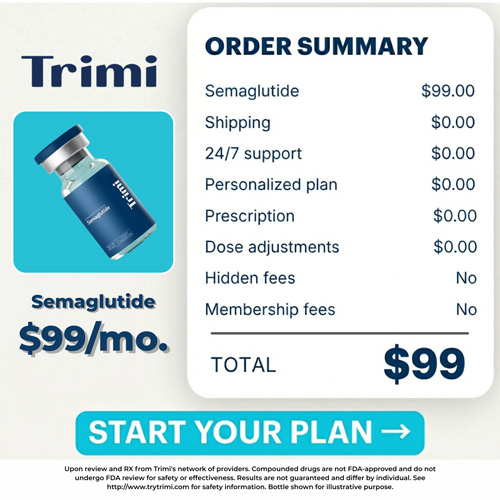
The term microdosing semaglutide generally refers to taking a lower-than-standard amount of semaglutide. While some individuals believe smaller doses may feel easier to tolerate, it is important to understand that lower doses do not automatically eliminate side effects. Even small amounts can affect digestion, appetite signals, and the body’s response to the medication.
Understanding microdosing semaglutide side effects can help individuals make more informed decisions and recognize when they may need professional guidance.
Semaglutide affects important pathways in the body, and each person may respond differently depending on their health status, medication history, and individual tolerance.
What Is Microdosing Semaglutide?
Microdosing semaglutide refers to the practice of using a smaller amount of semaglutide than commonly prescribed treatment doses.
Some people consider this approach because they are concerned about tolerability, want a gradual introduction, or hope to reduce the intensity of common reactions.
Semaglutide belongs to a group of medications known as GLP-1 receptor agonists. These medications work by interacting with natural hormone pathways involved in appetite regulation, digestion, and blood sugar control.
Traditional semaglutide treatment usually follows a gradual dose-adjustment process under healthcare supervision.
Microdosing is often discussed outside standard treatment guidelines, meaning individuals should be cautious and seek advice from a qualified healthcare professional before changing how a medication is used.
Although some people report fewer noticeable effects at lower doses, there is limited clinical evidence to establish microdosing as a proven approach for achieving the same outcomes with lower risks.
Common Microdosing Semaglutide Side Effects
Even when semaglutide is taken at a lower amount, side effects can still occur. The body may respond to the medication’s effects on digestion, appetite, and metabolism.

1. Nausea
Nausea is one of the most frequently reported side effects associated with semaglutide use. It can occur because semaglutide influences digestion and may slow the movement of food through the stomach.
People using lower amounts may experience mild nausea, especially when beginning treatment or adjusting their dosage. Some individuals notice that symptoms improve as their body becomes accustomed to the medication.
Eating smaller meals, avoiding heavy foods, and staying hydrated may help some people manage mild digestive discomfort.
2. Vomiting
Some individuals may experience vomiting while taking semaglutide, although the severity can vary.
Vomiting may occur when the digestive system reacts strongly to changes caused by the medication. If vomiting becomes frequent or severe, it may increase the risk of dehydration and should be discussed with a healthcare provider.
Persistent vomiting should not be ignored, even if someone is taking a smaller amount of semaglutide.
3. Constipation
Constipation is another possible side effect linked with semaglutide use. Because semaglutide can slow digestion, some individuals may notice changes in bowel movements. Symptoms may include fewer bowel movements, harder stools, bloating, or discomfort.
Maintaining adequate hydration, consuming fiber-rich foods, and following healthy digestive habits may support regularity.
4. Diarrhea
While some people experience constipation, others may experience diarrhea. Changes in digestion can affect how quickly food moves through the gastrointestinal system. Diarrhea may be temporary, but ongoing symptoms should be evaluated to prevent dehydration.
5. Stomach Pain and Bloating
Digestive discomfort is among the most commonly discussed reactions associated with semaglutide.
Some people report:
- Stomach discomfort
- Feeling overly full
- Bloating
- Gas
- Indigestion
These symptoms may occur because semaglutide affects appetite and digestion-related processes.
6. Fatigue or Low Energy
Some individuals report feeling tired when starting semaglutide. Fatigue may happen as the body adjusts to changes in appetite, food intake, and energy balance. People who eat significantly fewer calories than usual may also experience reduced energy levels.
Maintaining balanced nutrition and discussing ongoing fatigue with a healthcare professional may help identify possible causes.
7. Appetite Changes
One of the expected effects of semaglutide is its influence on appetite signals. With microdosing, some people may notice reduced hunger or a feeling of fullness sooner than usual. While appetite changes may be considered beneficial by some users, it is still important to maintain proper nutrition.
Eating enough protein, vitamins, and essential nutrients supports overall wellness during any weight-related health approach.
Can Microdosing Semaglutide Reduce Side Effects?
Many people consider microdosing because they believe a smaller amount may create a smoother experience. A gradual approach may feel more comfortable for some individuals, but it does not guarantee the absence of side effects.
Semaglutide affects biological pathways throughout the body, and sensitivity varies from person to person. Factors that may influence side effects include:
- Individual metabolism
- Previous medication experience
- Digestive sensitivity
- Eating habits
- Hydration levels
- Other health conditions
Some people may tolerate small amounts well, while others may still experience noticeable reactions.
It is important to remember that medication safety depends not only on the amount taken but also on proper medical supervision, correct dosing, and appropriate product handling.
Factors That May Increase the Risk of Side Effects
Several factors may influence how someone responds to semaglutide.
Starting Too Quickly
Increasing doses too quickly may make side effects more noticeable. Healthcare providers typically use gradual adjustments to help the body adapt.
Incorrect Measurements
For compounded semaglutide products, measurement errors can create safety concerns. The FDA has reported adverse events related to dosing mistakes involving compounded injectable semaglutide products, including incorrect measurements and administration errors.
Individual Health Differences
Everyone processes medications differently. Existing digestive concerns, other medications, and personal health factors may influence tolerance.
Inadequate Nutrition
Reduced appetite can sometimes lead people to consume fewer calories than needed. Poor nutrition may contribute to weakness, tiredness, or difficulty maintaining energy.
Serious Side Effects That Require Medical Attention
Most side effects associated with semaglutide are digestive-related and may improve over time. However, some symptoms require immediate medical attention.
Seek professional medical help if experiencing:
- Severe or persistent abdominal pain
- Signs of dehydration
- Severe vomiting
- Allergic reactions
- Significant changes in health condition
The FDA has highlighted concerns regarding dosing errors and adverse events associated with certain compounded semaglutide products, emphasizing the importance of proper guidance and accurate administration.
Microdosing Semaglutide vs Standard Dosing

The main difference between microdosing and standard dosing is the amount used and the purpose behind the approach.
Standard dosing follows established treatment schedules that gradually increase medication levels per medical recommendations.
Microdosing typically involves using smaller amounts than those commonly studied. Some individuals explore it because they hope for:
- Greater comfort during adjustment
- Fewer digestive symptoms
- A slower introduction
However, smaller amounts may yield different results, and the effectiveness of microdosing has not been fully established in large clinical studies.
How to Manage Possible Semaglutide Side Effects
If someone experiences mild side effects, several lifestyle strategies may support comfort.
- Eat Smaller Meals: Large meals may worsen feelings of fullness or nausea. Smaller portions may be easier for some individuals to tolerate.
- Stay Hydrated: Drinking enough fluids supports overall wellness, especially if digestive symptoms occur.
- Choose Balanced Foods: Nutrient-dense meals with adequate protein, fiber, and healthy carbohydrates may help maintain energy.
- Avoid Heavy or Trigger Foods: High-fat meals, excessive portions, and foods that worsen digestive symptoms may increase discomfort.
- Communicate With Healthcare Providers: Regular communication allows treatment approaches to be adjusted safely when needed.
Is Microdosing Semaglutide Safe?
The safety of microdosing semaglutide depends on many factors, including the source of the medication, dosing accuracy, and individual health circumstances.
Because microdosing is not a universally established medical approach, individuals should avoid making medication changes without professional guidance.
Using prescription medications responsibly and obtaining them through appropriate medical channels helps reduce unnecessary risks.
Final Thoughts
Microdosing semaglutide has gained attention among individuals looking for a gradual approach, but smaller amounts do not guarantee a side-effect-free experience. Understanding possible reactions can help people recognize what may occur and when professional guidance may be needed.
Common microdosing semaglutide side effects may include nausea, digestive changes, fatigue, appetite changes, and stomach discomfort. Individual responses vary based on health factors, medication handling, and overall lifestyle habits.
Anyone considering semaglutide or adjusting their current approach should work with a qualified healthcare provider. Proper guidance, accurate dosing, and responsible medication use remain essential parts of achieving safer outcomes.

References
https://en.wikipedia.org/wiki/Semaglutide
https://www.webmd.com/mental-health/microdosing
https://www.mayoclinic.org/drugs-supplements/semaglutide-subcutaneous-route/description/drg-20406730
.